The Importance of Localized Content in South African SEO

The Importance of Localized Content in South African SEO

The Growing Significance of Localized Content in South African SEO

Localized content has become a crucial component of search engine optimization (SEO), particularly in regions with diverse linguistic and cultural landscapes like South Africa. This approach helps to align marketing strategies with regional differences, ensuring that content resonates with local audiences, thus enhancing both engagement and visibility in search results.

Understanding the South African Market

South Africa is a nation that boasts extraordinary diversity in terms of both languages and cultures. It is home to over 11 official languages, in addition to numerous dialects and distinct cultural groups. Such diversity necessitates that businesses adopt a localized content strategy, targeted at engaging effectively with different segments of the population. This ability to connect on a cultural level is crucial for companies that wish to increase their online visibility and enhance user engagement.

Every region in South Africa has unique cultural practices, languages, and consumer behaviors, which implies that a one-size-fits-all approach to content marketing often falls short. Businesses that understand this and tailor their content to fit these regional contexts can build stronger relationships with their audiences, thereby gaining competitive advantages in digital marketing.

Why Localized Content Matters

The importance of localized content cannot be overstated. Localized content involves tailoring language, tone, cultural references, and examples to meet the preferences and expectations of a local audience. It is not merely about translation, but rather about adapting the content to resonate culturally and contextually with the target audience.

When businesses use localized content, they not only win over potential customers but also appeal to search engines. Search engines have algorithms designed to prioritize relevant and region-specific content in their search results. As a result, businesses that effectively localize their content can achieve higher rankings in search engine results, which can lead to more organic traffic and conversions.

Enhanced User Engagement

User engagement is significantly enhanced when audiences encounter content that speaks directly to their cultural context and language preference. Content that feels written for the specific audience tends to encourage more interaction, with users more likely to click on links, spend more time on webpages, and share the content within their networks. These interactions are invaluable signals to search engines indicating that the content is valuable, enhancing its ranking in search results. Improving user engagement through localized content thus becomes a virtuous cycle, boosting visibility and interaction simultaneously.

Improving Local Search Rankings

In the realm of search engines, geographic markers are essential for providing users with relevant content based on their location. For businesses, this means that incorporating local keywords, geographical tags, and a presence in local business directories can significantly improve their chances of appearing in local searches.

Tools and platforms such as Google My Business are incredibly powerful for businesses operating in specific locales like those in South Africa. By leveraging these platforms, businesses can create strong local searches and enhance their natural online footprint, making it easier for customers in their vicinity to discover them.

Localized SEO vs. Global SEO

While both localized SEO and global SEO aim to increase a brand’s online visibility, they differ significantly in focus and approach. Localized SEO focuses specifically on a particular market segment, considering its unique regional languages, customs, and consumer behaviors. This strategic focus makes it more effective in converting leads within a specific location compared to global SEO, which targets a broad audience without delving into specific geographic nuances.

Localized SEO’s approach helps businesses offer tailored solutions that improve user experience and invoke higher conversion rates due to the increased relevance and resonance with the target audience.

Challenges and Considerations

While the benefits of localized content are numerous, its implementation does pose certain challenges. Companies seeking to implement a localized SEO strategy must invest in quality language translation and localization services. These services must strive to maintain the essence and intent of the original content while ensuring it is appropriate and engaging for the target audience.

Moreover, cultural sensitivity and awareness are essential considerations. Content must be carefully designed to ensure it does not offend or alienate any segment of the audience. This requires a deep understanding of the cultural context and social norms prevalent within each target market.

Successful localized content strategies are built on a foundation of cultural respect and inclusivity, ensuring that all communications resonate positively with the intended audience.

In conclusion, businesses aiming to succeed in attracting and engaging South African consumers must strategically incorporate localized content into their SEO strategies. This approach aligns naturally with the linguistic and cultural diversity of the region and enhances engagement and search engine rankings. For those seeking to implement effective localized SEO strategies, pursuing detailed guides and resources can be invaluable.
Optimizing for Voice Search in South African Markets

Optimizing for Voice Search in South African Markets

Understanding the Importance of Voice Search

As technology continues to evolve, voice search is becoming an increasingly essential aspect of the digital landscape, particularly in countries like South Africa. In a world where technological advancements shape how we interact with devices, voice search is at the forefront of creating more personal and user-friendly interactions. With the widespread availability of smart devices, such as smartphones and home assistants, more users are opting to use voice commands for their online search activities. This paradigm shift opens new doors for businesses aiming to boost their digital footprint, while also presenting unique challenges that necessitate strategic adaptations.

The Growth of Voice Search in South Africa

The rise of voice search usage in South Africa is closely linked to the rapid spread of internet access and the increasing adoption of mobile technologies. This trend is underscored by reports indicating that a large percentage of internet users in South Africa rely heavily on mobile phones for their online activities. The convenience and efficiency of voice search make it a particularly attractive option for users who seek hands-free methods of obtaining information.

Mobile Connectivity and Voice Search

In a nation where mobile network usage is prevalent as the primary mode of internet access, voice search presents significant relevance. Smartphones and devices integrated with voice assistance functionalities, such as Apple’s Siri, Google Assistant, and Amazon Alexa, are becoming commonplace, fuelling the surge of voice search use. For any business targeting the South African market, optimizing for voice search is not just beneficial but crucial to remaining competitive in an ever-evolving digital ecosystem.

Strategies for Optimizing Voice Search

Focus on Natural Language

Voice search differs substantially from conventional text-based queries. Users typically interact with voice assistants using more spontaneous and conversational tones, phrasing their searches as full sentences or direct questions rather than through truncated keywords. Businesses geared towards capitalizing on voice search should integrate long-tail keywords and adopt question-based formats in their content creation.

Example of Voice Search Optimization

Consider the difference between conventional short-tail keywords such as “restaurants Johannesburg” and a typical voice search query like “What are the best restaurants in Johannesburg?” Content that is structured to specifically respond to these conversational queries is more likely to succeed in voice search rankings.

Enhancing Local SEO

Local search optimization is pivotal in voice search contexts since many queries are locally driven, aiming to locate nearby services or businesses. To bolster local SEO efforts, businesses should ensure that their online entity’s information remains accurate and consistent across platforms and directories. Keeping profiles updated on services such as Google My Business is crucial, as accurate data greatly influences a business’s visibility during voice-triggered searches.

Implementing Structured Data

Another strategic measure is the use of structured data. This involves providing specific, coherent information about the website’s content to search engines, enabling elevated understanding and display in search outcomes. Utilizing structured data effectively can enhance a website’s prominence in voice-activated search results.

Challenges and Considerations

Language and Regional Dialects

One notable challenge in optimizing voice search within South Africa revolves around its rich diversity of languages and dialects. Although English serves as a common communication medium, businesses should not ignore the potential of integrating content in other regional languages when relevant. Additionally, tailoring content to mirror local speech nuances and informal expressions can potentially augment the efficacy of voice search optimization efforts.

Technological Limitations

Despite significant technological advancements, voice search is still subject to certain limitations. Current speech recognition technologies may struggle with accurately interpreting regional accents or unique South African pronunciations. However, as these technological capabilities continue to improve, it remains important for businesses to stay mindful and adaptable to overcoming these challenges.

Conclusion

Successfully optimizing for voice search within South African markets entails a multifaceted strategy that involves adjustments in language, local SEO, and technology utilization. Businesses seeking to elevate their visibility and impact in this evolving digital space must pay close attention to trending user behaviors and be flexible in implementing voice search optimization tactics. Taking these factors into account allows businesses to harness the benefits of voice search, ensuring they remain at the forefront of the digital landscape. Additional insights and resources on digital marketing strategies geared towards voice search can be found through comprehensive literature on the subject, with further exploration encouraged for businesses serious about enhancing their market presence.

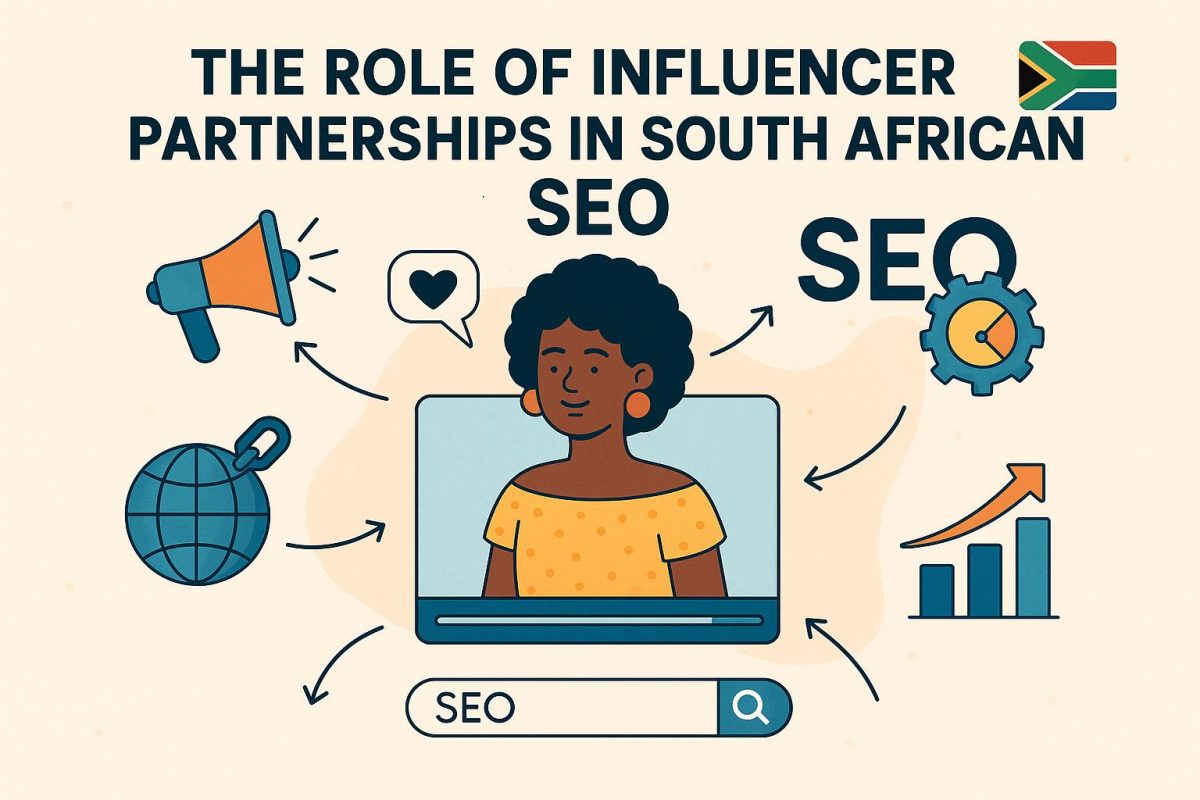
The Role of Influencer Partnerships in South African SEO

The Role of Influencer Partnerships in South African SEO

The Importance of Influencer Partnerships in South African SEO

In the ever-evolving digital landscape, the role of influencer partnerships in South African SEO is burgeoning as businesses seek to amplify their online presence and instigate increased engagement. In a world inherently connected by digital threads, the strategic use of influencers grants businesses access to wider audiences and furnishes tangible enhancements to SEO strategies.

Understanding Influencer Partnerships

Influencer partnerships entail collaboration with individuals who have cultivated a substantial online following and possess the power to influence their audience’s purchasing behaviors and viewpoints. Such partnerships are particularly potent because they meld the authenticity of influencers with the strategic ambitions of businesses.

SEO Benefits from Influencer Partnerships

The ramifications of influencer partnerships for SEO performance are profound and multifaceted.

Increased Organic Traffic: By forming associations with influencers, businesses can leverage their pre-existing audience base. This collaboration facilitates exposure to more potential customers, consequently directing organic traffic towards the business’s website—a critical determinant of SEO ranking.

Quality Backlink Generation: When influencers showcase a brand or its products on their platforms, they frequently incorporate links back to the company’s website. These backlinks, stemming from reputable sources, are esteemed by search engines, thereby fortifying the website’s credibility and its position in search rankings.

Enhanced Content Reach and Engagement: Influencers have the aptitude to present brand content compellingly, ensuring it resonates with their followers. This increases the likelihood of the content being shared, thus enhancing its reach. The resulting boost in user engagement metrics, such as time on site and interaction rates, are essential components for improving SEO.

Influencer Marketing in the South African Context

South Africa offers unique opportunities and challenges for influencer marketing, owing to its diverse cultural landscape and varied levels of internet penetration. By enlisting local influencers, companies can produce culturally pertinent content that effectively caters to and influences niche markets.

Localized Content Creation: Working alongside South African influencers allows businesses to create content that is attuned to prevailing local languages, customs, and trends. This synergy fosters an enhanced connection with the audience and optimizes SEO outcomes through tailored local search queries.

Trust Building in Target Demographics: A significant portion of South African consumers place greater trust in local influencers than in global personalities. Leveraging this trust can enhance brand perception and facilitate more substantial consumer engagement, thereby bolstering SEO initiatives.

Choosing the Right Influencers

To optimize the SEO advantages derived from influencer partnerships, it is imperative to select the right influencers. Brands must evaluate the relevance of the influencer to their industry, consider their follower demographics, and scrutinize their engagement levels. Furthermore, aligning with influencers whose values coincide with those of the brand fosters more genuine and impactful collaborations.

In summary, influencer partnerships present immense possibilities for enhancing SEO outcomes in South Africa. By capitalizing on the reach and credibility of influencers, businesses can secure greater online visibility, augment user engagement, and ultimately advance their search engine standings. As the digital terrain continues to transform, this strategy endures as a formidable asset within the SEO repertoire.

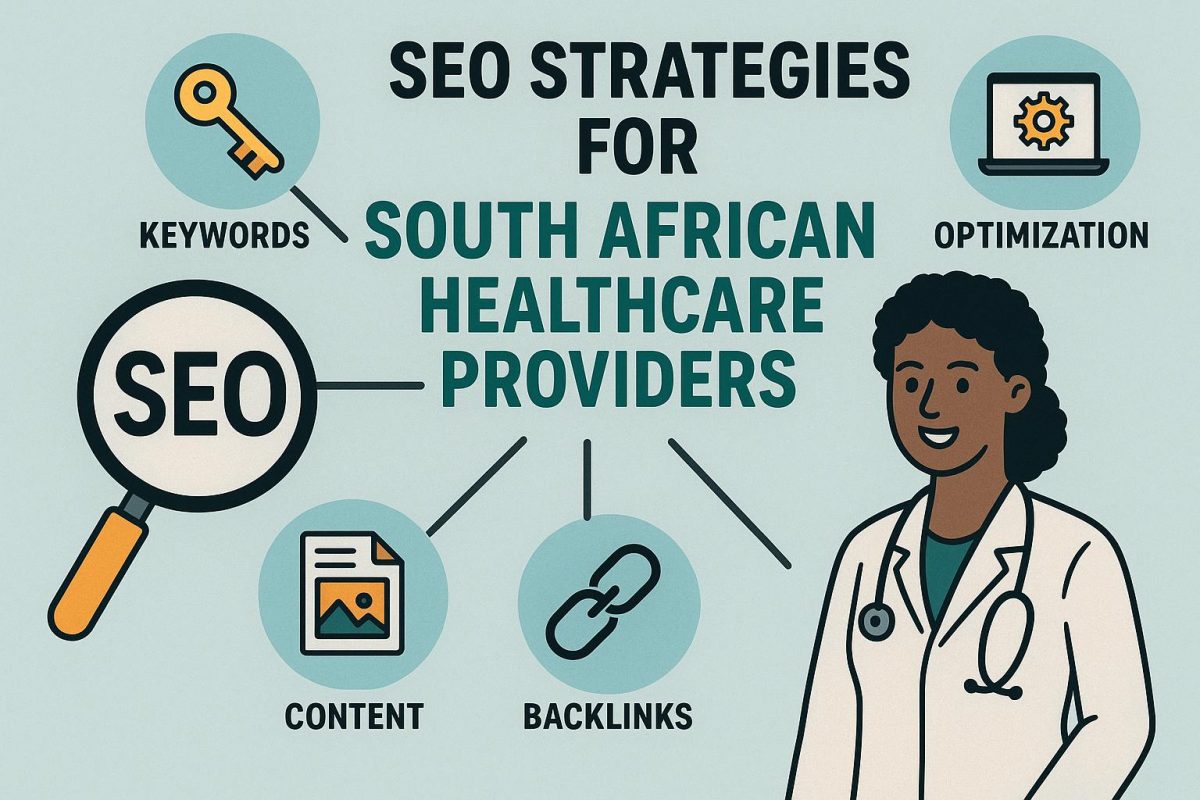
SEO Strategies for South African Healthcare Providers

SEO Strategies for South African Healthcare Providers

Understanding SEO in the Healthcare Industry

In South Africa, healthcare providers encounter distinctive challenges in the realm of digital marketing and online presence management. Search Engine Optimization (SEO) plays a pivotal role in enhancing visibility and drawing in patients. By aiming for precision and adapting to localized search trends, healthcare providers can substantially bolster their online footprint.

Keyword Research and Implementation

An effective SEO strategy begins with meticulous keyword research. Identifying the terms and phrases that potential patients frequently use enables healthcare providers to align their content accordingly. Using tools such as Google Keyword Planner can yield valuable insights into pertinent keywords and search volumes.

Once keywords are identified, they must be adeptly woven into the website’s content. This involves integrating them into page titles, meta descriptions, headers, and body text. It is crucial to ensure that the inclusion of keywords reads seamlessly and does not diminish the quality of the content.

Local SEO Optimization

For healthcare providers operating in South Africa, local SEO stands as a significant component. Optimizing for local searches necessitates claiming and updating one’s Google My Business listing. This encompasses inputting precise address information, business hours, and contact details.

Additionally, embedding localized keywords and crafting location-specific content can amplify visibility in local searches. For example, phrases such as “Cape Town cardiologist” or “Durban dental clinic” prove beneficial in targeting specific regions effectively.

Mobile Optimization

With the surge in mobile device usage, the demand for mobile-friendly websites is paramount. A responsive design enhances user experience and positively influences search rankings. Google’s algorithms prioritize mobile-friendly websites, rendering this aspect indispensable in any SEO strategy.

Healthcare providers should emphasize fast-loading pages, straightforward navigation, and prominent call-to-action buttons to cater to mobile users effectively.

Content Creation and Updating

Crafting high-quality, informative content positions healthcare providers as authoritative figures in their domain. Consistently updating content and integrating informative blog posts, patient guides, or news releases can captivate and retain visitor interest.

Incorporating multimedia elements, such as videos or infographics, can augment user engagement. It is crucial that content is always tailored to meet patient needs and remains easy to comprehend, steering clear of overly technical language.

Building Backlinks

Backlinks from reputable websites act as endorsements, significantly enhancing SEO rankings. Forming alliances with other healthcare institutions, local businesses, or educational entities can present valuable backlink opportunities.

Care should be taken to ensure that links are of high quality, as search engines prioritize the caliber of incoming links over their quantity. Engaging in guest blogging and participating in community health forums can also assist healthcare providers in cultivating a robust online reputation.

Monitoring and Analytics

For sustained SEO success, monitoring website performance through analytics tools is crucial. Tools like Google Analytics offer insights into visitor demographics, traffic sources, and user behaviors on the site. Analysis of this data aids in making informed decisions for ongoing SEO strategies.

Regularly reviewing SEO performance allows healthcare providers to adapt to evolving trends and patient requirements, ensuring their digital presence remains robust.

Compliance and Privacy

Healthcare providers must also guarantee that their SEO practices align with industry regulations, such as the Protection of Personal Information Act (POPIA) in South Africa. This involves safeguarding patient data and maintaining transparent data collection procedures.

In conclusion, the execution of a comprehensive SEO strategy can significantly elevate a South African healthcare provider’s capability to attract new patients and cultivate a dependable online presence. By centering on local optimization, mobile adaptability, quality content, and compliance, healthcare providers can adeptly navigate the digital landscape.