The Importance of Accessibility in South African SEO

The Importance of Accessibility in South African SEO

The Role of Accessibility in SEO

In the digital landscape, accessibility refers to the design of products, devices, services, or environments for people with disabilities. In South Africa, ensuring accessibility in digital content, including websites and online platforms, is critical not only for social inclusion but also for search engine optimization (SEO). Search engines prioritize content that is accessible to a broader audience, thus enhancing the visibility of websites with better accessibility features.

Legal Imperatives and Ethical Considerations

Accessibility is not only an ethical obligation but also a legal one. South African laws like the National Building Regulations and Building Standards Act include provisions for physical accessibility, but digital accessibility is also becoming increasingly recognized. By making websites accessible, businesses comply with best practices and demonstrate corporate responsibility.

Notably, digital accessibility falls under the realm of inclusive practices that benefit not just individuals with disabilities, but the broader community. It ensures that digital platforms cater to users with varying needs, such as those with visual, auditory, or motor impairments. As technology becomes more integrated into everyday life, the ethical dimensions of excluding any group from accessing vital information and services intensify.

Compliance with legal standards for digital accessibility can prevent potential lawsuits and aligns with global movements advocating for equal access. Many industries are realizing the advantages of adopting accessible technologies early on, moving beyond mere compliance to foster a culture of inclusivity and innovation.

Enhanced User Experience

An accessible website improves the user experience for all visitors, including those with disabilities. Features such as text alternatives for images, keyboard navigation, and adaptable content for different devices make sites easier to use. This accessibility leads to increased engagement, longer visit duration, and lower bounce rates, all of which positively impact SEO.

When users have a positive interaction with a website, it often translates into higher satisfaction levels, creating a ripple effect of benefits. For instance, accessible websites that consider user diversity help in accommodating various browsing habits and technologies, such as screen readers or mobile devices with smaller screens. This adaptability means that content is robustly designed to work well in different environments without loss of functionality or information.

Moreover, accessibility can improve overall design and functionality for everyone. Consider how features initially developed for accessibility, like captions for videos, also benefit users who prefer to watch videos with sound off in public spaces. Thus, what is good for accessibility is often good for everyone.

SEO Benefits

Search engines like Google measure both user experience and accessibility in their ranking algorithms. Accessible websites often rank higher in search results because they provide a better experience to a wider user base. This is crucial in South Africa, where accessibility can directly influence a business’s online presence, considering the diversity in internet access across the population.

For a business, implementing accessibility features enhances visibility on search engines—a crucial aspect of digital marketing strategies. Accessible websites are more likely to gain higher engagement rates, which in turn signals search engines that the site is valuable and reliable. Enhanced engagement metrics such as average session duration and page views per visit can significantly augment a site’s SEO performance.

Incorporating accessibility into SEO strategies can also broaden the demographic reach. As businesses tap into overlooked markets, including people with disabilities, they can increase their market share and foster loyalty among a diverse customer base. Addressing accessibility, therefore, translates into tangible SEO benefits, helping sites to appear in local searches and gaining exposure to a wider audience.

Technology and Tools for Accessibility

The advent of new technologies has made it easier for businesses to implement accessibility solutions. Tools like automated accessibility checkers and guidelines from organizations such as the Web Content Accessibility Guidelines (WCAG) provide actionable steps for developing accessible websites.

These resources guide developers in implementing essential elements such as proper heading structures, alt text for images, and ensuring that website navigation is logical and usable via keyboard. Such steps are not only beneficial for users with disabilities but also optimize the site for search engine crawlers, which parse this information for indexing.

Conclusion

Investing in digital accessibility is a strategic decision that benefits not only users with disabilities but enhances a website’s overall performance in the competitive online ecosystem. In South Africa, where digital engagement continues to grow, businesses that prioritize accessible design will likely see improved engagement and search engine rankings.

As businesses increasingly realize, accessibility should be viewed not as an afterthought but as a foundational element of digital strategy. There’s a growing echo within industries that accessibility fosters innovation and inclusiveness, leading not only to enhanced SEO but also to enriched interactions across all user demographics. By integrating accessibility from the ground up, businesses create a sustainable model for success that meets legal standards, respects ethical obligations, and positions them well within a globally competitive market.
SEO Strategies for South African Energy Sector

SEO Strategies for South African Energy Sector

The Dynamic Nature of the South African Energy Sector

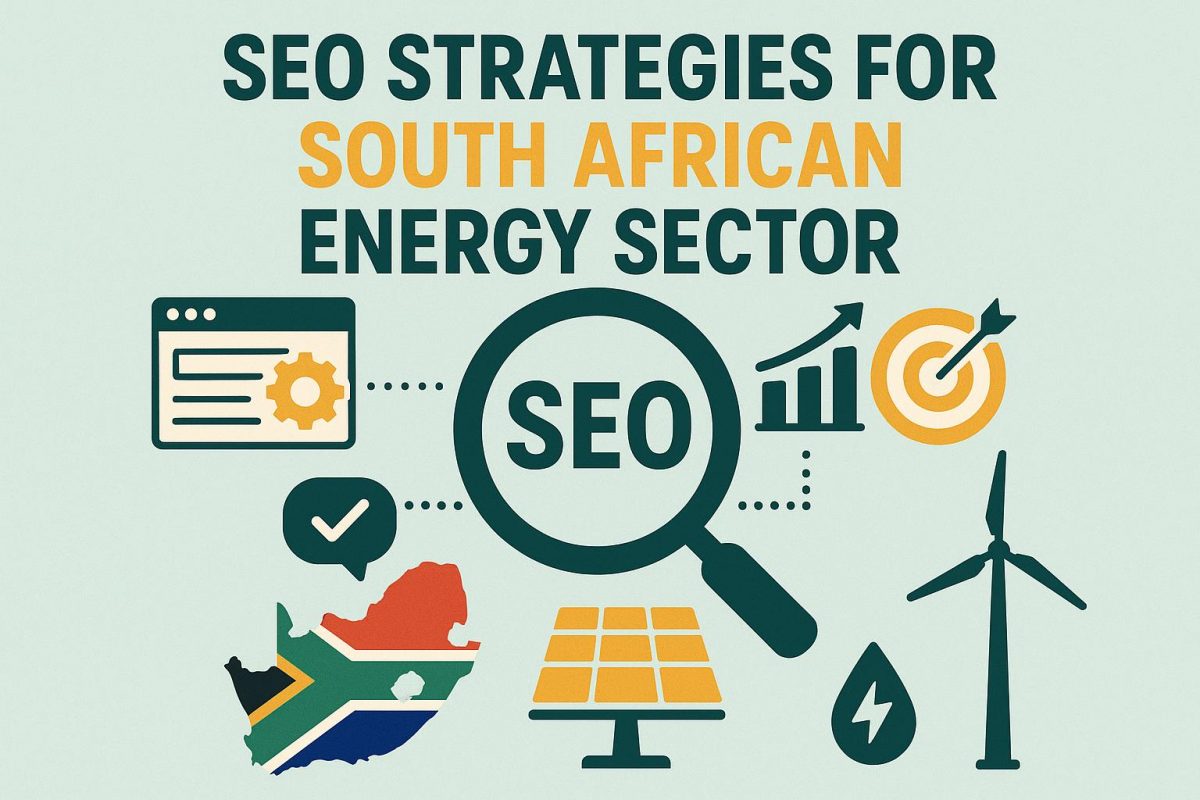
The South African energy sector is complex and multifaceted, presenting a landscape that is ripe with potential as well as challenges. As this sector evolves, companies within the industry are increasingly recognizing the importance of establishing a robust online presence. This need has turned their attention to Search Engine Optimization (SEO) as a vital tool in their digital marketing arsenal. In a market where digital transformation is not just beneficial but crucial, implementing effective SEO strategies is essential for energy companies wishing to enhance their visibility and influence.

The Integral Role of SEO in Energy Companies

Understanding SEO’s role goes beyond just achieving higher ranks on search engine results pages (SERPs). It’s fundamentally about elevating the user experience, connecting with the right audience, and converting website traffic into actual business prospects. For South African energy companies, any SEO strategy must be finely tuned to align with both the sector-specific trends and the consumer expectations prevalent within the industry. It becomes a strategic necessity rather than a mere option.

Strategizing with Keyword Research and Optimization

A cornerstone of effective SEO lies in thorough keyword research. For energy companies, this involves identifying and optimizing for keywords that resonate with their core services and target audiences. This may encompass terms related to various aspects of the industry, such as renewable energy, energy efficiency, and power solutions. Leveraging tools such as Google Analytics and SEMrush can provide valuable insights into current search trends and facilitate the refinement of keyword strategies. Proper optimization ensures that content is relevant to search queries, which can lead to improved rankings and greater online visibility.

The Role of Content Creation and Enhancement

After identifying the appropriate keywords, the next stage is to integrate them into well-crafted, high-quality content. This might include various types of content such as blog posts, case studies, and industry reports. The objective here is twofold: to aid in search engine rankings and to position the company as an authoritative voice within the energy sector. Informative and engaging content serves not only to attract new visitors but also to nurture trust and reliability with existing clients and partners.

Leveraging Local SEO Practices

For South African energy businesses, emphasizing local SEO practices can yield significant benefits. Local SEO involves optimizing content and business listings to enhance their presence in local search results. Critical steps include claiming and optimizing a Google My Business profile and seeking out local citations. These actions not only boost local visibility but also establish a local reputation that can help differentiate a company from its competitors.

Enhancing Technical SEO and Website Optimization

Technical elements of a company’s website play a critical role in defining its SEO performance. For energy companies, it’s important that their websites load rapidly and are mobile-friendly, as these factors leave a notable impact on user experience and search rankings alike. Using tools like Google PageSpeed Insights can help identify areas necessitating optimization. Technical SEO ensures that a website’s infrastructure supports a seamless user experience, which is crucial for maintaining visitors and driving conversions.

Creating a Strong Backlink Strategy

A formidable backlink profile can significantly improve a website’s domain authority. For energy companies, collaborating with leading industry publications or engaging in regional conferences can often result in organic backlink opportunities. Moreover, producing shareable content such as whitepapers or research reports is an effective approach to attracting links from reputable external sources. High-quality backlinks serve as endorsements of a site’s credibility and can greatly boost search engine rankings.

Continuous Tracking and Adjustment of SEO Strategies

SEO is not a one-time effort but an ongoing process that demands consistent tracking and adjustments. Utilizing tools like Ahrefs and Sistrix can aid companies in monitoring performance metrics and pinpointing areas that need improvement. By analyzing collected data, companies can refine their strategies to align more closely with their objectives, ensuring that they remain ahead of shifts in search engine algorithms and market trends.

Conclusion

Implementing SEO strategies tailored to the South African energy sector can significantly enhance a company’s online presence and competitive edge. By grasping the specific needs and behaviors of their target audience and focusing on both the content and technical facets of SEO, energy companies can position themselves for sustainable growth within a swiftly changing market. This approach not only boosts visibility but also equips companies to adapt to and thrive in the dynamic digital landscape. As the energy sector continues to evolve, so too must the SEO strategies that support it, ensuring that companies remain at the forefront of innovation and engagement.

Understanding the Impact of Bounce Rate on South African SEO

Understanding the Impact of Bounce Rate on South African SEO

Understanding Bounce Rate in SEO

In the realm of Search Engine Optimization (SEO), one of the most frequently discussed metrics is bounce rate. This term is pivotal, especially for businesses and website operators in South Africa who aim to enhance their digital footprint. In simple terms, the bounce rate refers to the proportion of visitors who enter a website and then leave without engaging or visiting other pages on the site.

What is Bounce Rate?

Bounce rate provides insights into the effectiveness of a website’s ability to retain its audience. If the rate is high, it suggests that the initial page—be it a homepage, a landing page, or another entry point—fails to engage visitors sufficiently to prompt them to explore deeper into the website. Consequently, this metric can profoundly influence a website’s ranking on search engines like Google. Therefore, it is critical for enterprises to keep an eye on their bounce rates, aiming to reduce them as a measure of improved site performance.

Calculating Bounce Rate

To put it simply, bounce rate is calculated using the following formula:

Bounce Rate = (Single Page Sessions / Total Sessions) x 100

This calculation sheds light on user engagement by measuring the percentage of single-page visits against total visits. A low bounce rate indicates higher visitor interaction and implies that content is engaging and fulfilling user expectations.

Importance in the South African Context

For businesses operating within South Africa, optimizing bounce rates is incredibly valuable for increasing visibility in local search results. Success in this area requires a careful understanding of the unique user behaviors and preferences that characterize South African web users.

Local SEO Challenges

Diverse Language Preferences: South Africa is celebrated for its cultural diversity, with a population that speaks multiple languages. This diversity presents a unique challenge for website operators seeking to provide content that resonates with different language speakers. In this context, localizing website content is not just beneficial but necessary to cater to such a wide array of language groups effectively.

Mobile Usage: A significant portion of the South African population accesses the internet through mobile devices. This heavy reliance on mobile technology necessitates the creation of a mobile-friendly browsing experience, which can be a pivotal factor in reducing bounce rates.

Impact on SEO Rankings

Search engines, particularly Google, consider bounce rate as one of the many factors within their ranking algorithms. A consistently high bounce rate may signal to search engines that a site is not delivering relevant or interesting content, subsequently impacting its ranking position negatively. Websites with low bounce rates tend to retain visitors longer, thereby improving SEO outcomes.

Improving Bounce Rate

Website operators can enhance bounce rates by targeting these key areas of improvement:

Content Quality: Creating content that is not only informative but also engaging and aligned with the interests and needs of the audience plays a significant role in capturing and holding the attention of users. High-quality content invites users to explore beyond the initial page.

User Experience (UX): Optimizing user experience through streamlined site navigation, prompt loading times, and designs suitable for mobile users is essential. This proactive approach can prevent users from leaving the site prematurely, thus improving bounce rate statistics over time.

Localized Content: Aligning website content with the cultural and social nuances of the South African audience can significantly increase engagement. By engaging users in this manner, businesses can more effectively reduce their bounce rates.

Monitoring and Analysis

Effective management of bounce rates necessitates continuous monitoring and analytical efforts. Implementing tools like Google Analytics provides valuable insights into the behavior and preferences of users, thereby helping identify pages with particularly high bounce rates. Armed with this data, businesses can innovate and adapt their content strategies to improve user retention.

Conclusion

In the highly competitive landscape of SEO, particularly within South Africa, bounce rate emerges as a critical factor that businesses should address strategically. By understanding and optimizing bounce rate, South African businesses can bolster their online presence, foster better user engagement, and secure more favorable search engine rankings. As a critical component of a successful digital marketing strategy, its impact should not be taken lightly. Reducing bounce rate is not just about enhancing metrics—it’s about creating a more enriching, relevant, and engaging experience for every website visitor, ensuring they stay longer and return more often.

The Role of Local Events in Boosting South African SEO

The Role of Local Events in Boosting South African SEO

The Impact of Local Events on South African SEO

Local events have become a significant component in enhancing the Search Engine Optimization (SEO) efforts of businesses in South Africa. Engaging in local events offers numerous opportunities for boosting online visibility and driving more local traffic to a business’s website. This article delves into how local events influence SEO and why they are crucial for businesses looking to enhance their online presence in South Africa.

Enhancing Local Search Visibility

Participating in or sponsoring local events is a powerful way to improve a business’s local search visibility. When businesses are involved in community events, they often receive backlinks from local websites, media outlets, and event promotion pages. These backlinks can significantly impact a site’s search ranking, as search engines view them as endorsements of the site’s credibility.

Furthermore, local events provide businesses the chance to be featured in local online directories and event calendars. Being listed in these resources can improve a business’s local SEO, helping them appear in “near me” searches conducted by potential customers.

Building Community Engagement

Local events foster community engagement, allowing businesses to create a stronger connection with their local audience. Engaging with the community not only boosts brand awareness but also promotes positive brand sentiment. When businesses gain a reputation as active community participants, they are more likely to be recommended through local word-of-mouth and online platforms like review sites.

Increased involvement in local events can encourage customers to leave positive reviews and testimonials online, enhancing the business’s local reputation. Positive reviews are a key ranking factor in local SEO, influencing a business’s presence in local search results.

Content Creation Opportunities

Local events present numerous opportunities for content creation, which is an essential aspect of any SEO strategy. Businesses can create blog posts, photo galleries, or videos related to the events they participate in, using event-specific keywords to attract local traffic. Sharing event-related content on social media further broadens a business’s reach and can drive more traffic to their website.

Leveraging event content for SEO involves optimizing the content with relevant local keywords and geo-tags. This technique not only aids in reaching the local audience but also supports the overall content strategy aimed at improving search rankings.

Networking and Collaboration

Involvement in local events provides opportunities for networking and collaboration with other local businesses and influencers. Such partnerships can lead to valuable collaborations, cross-promotional opportunities, and backlink exchanges, all of which contribute to SEO efforts. Networking at local events can result in partnerships that elevate a business’s digital presence and reinforce its local authority.

For businesses looking to boost their online visibility in South Africa, strategic involvement in local events presents multiple opportunities to enhance their SEO efforts. By fostering local connections and creating relevant content, businesses can significantly impact their search engine rankings and increase their reach within the community.

Utilizing Event-specific Strategies for SEO Improvement

When businesses participate in local events, they can implement several event-specific strategies to further benefit their SEO. One such approach involves creating event-specific landing pages on their websites. These pages can be optimized with targeted keywords, event details, and information about the business’s involvement. This approach aids in capturing search intent from users looking for event-related information.

Moreover, businesses can engage with local influencers during events. Collaborating with influencers who attend these events can augment a company’s SEO by increasing visibility through influencer marketing. Influencers can share their experiences and tag businesses on their platforms, driving traffic and gaining organic backlinks that strengthen SEO efforts.

Harnessing Social Media and Real-time Engagement

Social media platforms are integral during local events, offering real-time engagement with attendees and followers. Businesses can live-tweet updates, post real-time photos on Instagram, and utilize Facebook for event check-ins and interactions. Real-time engagement not only fosters a sense of community participation but also enhances a business’s presence in local search results.

Using social media to promote participation before, during, and after an event generates buzz and traffic, while simultaneously improving SEO. Geotagging posts and using event-specific hashtags can help local users discover and engage with the business’s content more easily, strengthening brand visibility.

Encouraging Local Media Coverage

Local events often attract media coverage from newspapers, blogs, and radio stations. Businesses that play a prominent role can reach out to local journalists and media outlets with press releases and news stories. Securing media coverage not only boosts visibility but also establishes the business as a key player in the community, further enhancing SEO through high-authority backlinks.

Even smaller community events can attract attention from niche local publications. Capitalizing on this by ensuring that the business’s role is prominently featured can lead to increased mentions in these platforms, which contributes to SEO improvement and expanded reach.

Post-Event Analysis and Continued Engagement

After participating in a local event, businesses should conduct a comprehensive analysis of their involvement to measure success and identify areas for improvement. Analyzing metrics such as website traffic, social media mentions, and online conversations post-event can provide insights into the effectiveness of the SEO strategies employed.

Continued engagement with the audience after events is crucial. Follow-up content, like blog posts summarizing the event, thank-you notes to participants, and future event promotions, keeps the audience engaged and reinforces the business’s commitment to local involvement. This ongoing interaction helps in maintaining search visibility, as it fosters an active online presence.

In conclusion, local events are vital to optimizing SEO for South African businesses. They offer a range of opportunities to enhance search visibility, build community relations, and improve online rankings. For businesses aiming to solidify their position within local markets, leveraging the power of local events is a strategic move in the digital landscape. By combining event participation with targeted SEO strategies, businesses can significantly enhance their online presence and foster long-lasting connections within their communities.

SEO for South African Transportation and Logistics Companies

SEO for South African Transportation and Logistics Companies

Understanding SEO for Transportation and Logistics

Search Engine Optimization (SEO) has become an indispensable tool for enhancing the online presence of transportation and logistics companies, particularly in competitive markets like South Africa. As the industry experiences growth, companies are constantly seeking innovative ways to differentiate themselves from their competitors. The application of effective SEO strategies can significantly enhance a company’s competitiveness, making it more visible to potential customers searching for services online.

The Importance of Keywords

At the heart of SEO are keywords, which serve as the bridge between potential customers and the services offered by transportation and logistics companies. Keywords are the specific terms or phrases that individuals use when they are in search of logistics services. The selection and use of appropriate keywords can dramatically influence how often a company’s website is shown in search results. Therefore, engaging in comprehensive keyword research is imperative. By employing tools such as Google Keyword Planner and Moz, companies can identify prevalent and relevant search terms within their sector, tailoring their web content to meet these queries effectively.

Local SEO: A Critical Component

For companies operating within South Africa, focusing on local SEO is not just optional, but essential. Local SEO optimizes an organization’s website so that it appears in local-area search results, thus targeting the specific audience relevant to its geographical location. By integrating location-specific keywords and phrases in their webpage content, companies can improve their chances of being found by local clients. For example, rather than targeting a generic term such as “logistics services,” firms can aim for “logistics services in Johannesburg,” thus attracting clientele actively searching for services in that area.

Content is King

One cannot overstate the significance of high-quality content in achieving successful SEO outcomes. Websites must produce engaging articles, informative blogs, and multimedia content that effectively address common questions and concerns of potential clients. This not only helps in boosting search rankings but also retains visitor interest. Regularly updating web content ensures that it remains relevant and aligned with current trends or changes in the logistics and transportation industry. Moreover, integrating various multimedia elements like videos and infographics can significantly enhance the attractiveness and depth of the content offered.

On-page SEO Techniques

On-page SEO is a crucial aspect of optimizing web pages to be more search engine friendly. This involves several techniques that aim to improve the individual components of a webpage. Key on-page SEO practices include crafting descriptive meta titles and meta descriptions that concisely describe the page content, making prudent use of header tags (

,

, etc.) to establish content hierarchy, and ensuring that image alt texts are optimized with relevant keywords to improve search relevance.

Building a Strong Backlink Profile

Backlinks, which are links from other websites to your own, serve as a powerful indicator of a site’s authority and credibility within its domain. A robust backlink profile is vital for establishing a strong online presence. This requires developing connections with reputable and pertinent sites, achieved through methods such as guest blogging, mutual partnerships, or collaborations with industry peers. Obtaining backlinks from high-authority sites can dramatically boost a company’s search engine ranking, signaling to search engines that the content is trustworthy and valuable.

Monitoring and Analytics

The journey to mastering SEO does not end with implementation. Continuous monitoring, assessment, and refinement are crucial for maintaining and enhancing a site’s search engine performance. Analytics tools, such as Google Analytics, offer invaluable insights into how a website performs across various metrics including traffic sources, user engagement, and conversion rates. These metrics provide companies with the necessary data to make informed decisions about their SEO strategies and to undertake any necessary adjustments to improve their online performance.

The evolving landscape of SEO requires transportation and logistics businesses in South Africa to maintain a strategic and adaptive approach. By grasping and implementing the various core elements of SEO, companies can effectively bolster their online visibility, thereby positioning themselves to attract more business opportunities. This strategic orientation not only ensures immediate gains but also positions the company for ongoing success as digital trends continue to evolve.

For those interested in diving deeper into advanced SEO strategies or remaining informed about the latest updates in the field, visiting reputable sources such as SEO Journal can be quite beneficial.