SEO for South African Law Firms: Best Practices

SEO for South African Law Firms: Best Practices

Introduction to SEO for South African Law Firms

Search Engine Optimization (SEO) is a crucial component for law firms looking to increase their online visibility and attract potential clients. South African law firms can benefit significantly from adopting effective SEO practices tailored to their industry and location. This article discusses various strategies that can enhance the online presence of law firms in South Africa.

Understanding Local SEO

In the field of digital marketing, Local SEO stands as a pivotal element for South African law firms, given that many prospective clients commence their search for legal services with a geographical focus. The essence of local SEO lies in optimizing your website to feature prominently in location-specific search results, which can notably benefit law firms targeting clientele within their immediate surroundings.

Google My Business

Google My Business (GMB) serves as an indispensable tool in the toolkit of local SEO strategies. For South African law firms, a well-curated GMB profile can significantly elevate visibility in local search outcomes and Google Maps listings. The process begins with creating and optimizing a GMB profile, which should encapsulate precise information encompassing the law firm’s physical address, contact number, business hours, and an overview of the specialized legal services offered. Each of these aspects contributes to improving searchability and client engagement.

Citations and Local Directories

The concept of citations entails the mention of your firm’s name, address, and phone number (NAP) across various online platforms, including directories and social networks. Maintaining uniformity in these citations is vital as it impacts your law firm’s credibility and search engine rankings. Engaging with popular South African legal directories such as Attorneys.co.za and SA Yellow Pages helps in establishing a trusted online presence. These listings not only facilitate increased visibility but also foster credibility among potential clients.

On-Page SEO Techniques

On-page SEO pertains to the process of optimizing individual web pages to bolster their rankings on search engine result pages. It necessitates a harmonious blend of content creation and optimization of the site’s HTML source code, both of which play a crucial role in achieving higher search visibility.

Keyword Research and Implementation

Keyword research acts as the cornerstone of any successful on-page SEO strategy. For South African law firms, this involves identifying phrases and terms that potential clients use while searching for legal assistance. Once identified, seamlessly weave these keywords into the content presented on your website. Ensuring their presence in headings, subheadings, and body text enhances the website’s relevance, thereby improving its chances of ranking higher in search results.

Meta Tags and Descriptions

Meta tags along with meta descriptions, play pivotal roles in influencing click-through rates from search engine result pages. It’s imperative to craft unique and descriptive meta titles and descriptions for every page on the website. Incorporation of relevant keywords within these tags further aids in reflecting the content of the page accurately, thereby encouraging users to visit the site.

Content Marketing Strategy

A content marketing strategy that is thoughtfully crafted can prove instrumental in attracting, engaging, and converting potential clients, while simultaneously enhancing your site’s SEO performance.

Blogging and Legal Insights

Engaging in regular blogging serves multiple purposes. By publishing articles on diverse legal topics, law firms position themselves as authoritative voices in the South African legal landscape. Blog posts can address common legal questions or concerns faced by clients, thereby adding value to their experience. Additionally, internal links from blogs to service-specific pages can enhance site navigation and SEO.

Engaging with Client Reviews

The contemporary client often looks at reviews and testimonials before engaging with a service provider. By encouraging satisfied clients to leave reviews on platforms like Google and legal directories, a law firm can build a strong online reputation. It is equally important to respond to these reviews—whether positive or critical—promptly and with professionalism to exhibit responsiveness and dedication to client satisfaction.

Technical SEO Considerations

While content and local SEO strategies bear their importance, technical SEO delves into optimizing the backend aspects of your website to ensure enhanced performance and visibility in search engines.

Website Speed and Mobile Optimization

Google’s algorithms prioritize user experience, making website speed and mobile optimization integral to SEO strategy. If your website is designed to load quickly and presents a seamless user experience across all devices, including mobile, it can boost search rankings. Implementing a responsive design ensures that the website adapts to various screen sizes, thereby enhancing accessibility for all users.

Secure Website with HTTPS

Security in the digital realm is synonymous with user trust. Deploying HTTPS with an SSL certificate signifies a commitment to safeguarding user data, a factor that search engines prioritize. This layer of security not only enhances trust but can also contribute positively to your site’s ranking.

Conclusion

For South African law firms aiming to boost their online presence, consistent application of these SEO strategies is paramount. From local SEO tactics like optimizing GMB profiles and securing citations in local directories, to on-page techniques involving keyword integration and meta tag optimization, each step plays a crucial role in enhancing visibility. The overarching aim is to maintain a dynamic strategy that evolves with digital trends, ensuring that your law firm remains competitive in the changing digital marketing landscape.
The Impact of Google Algorithm Updates on South African SEO

The Impact of Google Algorithm Updates on South African SEO

The Influence of Google Algorithm Updates on South African SEO

In the ever-evolving world of Search Engine Optimization (SEO), Google’s algorithm updates play a significant role in shaping strategies worldwide. For South African businesses, understanding these changes is crucial to maintaining visibility and competitiveness in a dynamic digital landscape.

Understanding Google’s Algorithm Updates

Google continually refines its search algorithms to enhance the relevance and quality of search results. These updates encompass a broad spectrum, ranging from comprehensive core updates to specific modifications targeting distinct elements like mobile usability or page speed. Each update holds the potential to influence website rankings on Google’s search engine result pages (SERPs), thereby affecting online visibility and traffic.

The two primary types of updates are:

Core Updates: These updates represent substantial changes affecting the fundamental aspects of the search algorithm. They are designed to improve search quality by providing more useful, authoritative, and relevant search results.

Targeted Updates: These updates focus on refining specific elements of the algorithm, such as enhancing the quality of content, assessing backlink profiles, or improving mobile optimization. These targeted enhancements aim to refine the search experience for users with specific needs.

Impact on South African Businesses

For South African businesses, understanding these algorithm updates is essential to maintaining a competitive edge. In a market where local companies vie with both national and international competitors, effective SEO serves as a pivotal tool for online survival and growth.

The Effect on Traffic and Visibility

Algorithm updates can lead to significant fluctuations in website traffic and visibility. South African businesses might observe changes in their rankings, potentially resulting in increased or decreased user traffic. If a business’s web page aligns well with the update’s focus, such as enhanced mobile compatibility or improved content quality, there may be a positive change in rankings. Conversely, if the website does not meet the newly established criteria, a drop in visibility and traffic is likely.

Adjusting SEO Strategies

To remain competitive, South African SEO professionals often need to refine their strategies in response to a Google update. This might include revising content, enhancing website performance, or optimizing the website for mobile devices. The critical factor is remaining flexible and responsive, ensuring that websites continue to adhere to Google’s changing ranking criteria.

Local SEO and Algorithm Updates

Google places significant emphasis on local SEO, particularly for searches with location-based intent. For South African businesses, concentrating on local SEO strategies can be highly effective. Maintaining accurate local business listings, enhancing the visibility and credibility of the company, and garnering positive local reviews are strategies that may positively influence rankings following an update. These efforts help demonstrate a business’s relevance to local searches and can improve local search visibility.

Long-term Considerations for South African SEO

While reacting to each Google algorithm update is necessary, South African businesses should also emphasize long-term, data-driven strategies that focus on delivering quality content and an exceptional user experience. Sustainable success relies on a balanced approach, integrating technical SEO, user-friendly interfaces, and authoritative content.

In the context of technical SEO, businesses should focus on optimizing website architecture for search engine indexing, ensuring fast load times, and providing a seamless mobile experience. This technical foundation supports the delivery of high-quality content and enhances user satisfaction.

Modern SEO also requires ongoing education and adaptation to current trends and emerging technologies. SEO professionals should continually learn and refine their strategies, considering user behavior, search trends, and technological advancements.

Content Quality and User Intent

Creating content that aligns with user intent and satisfies search queries is a fundamental aspect of successful SEO. Google prioritizes content that is relevant, informative, and authoritative, providing users with the best possible answers to their questions. South African businesses should invest in understanding their audience’s needs and preferences, crafting content that addresses these effectively.

Businesses can leverage tools like Google Analytics and Search Console to gather insights into how users interact with their website. This data-driven approach helps identify areas for improvement and optimization, ensuring content aligns with user expectations and search algorithms.

Building Authoritative Backlinks

Acquiring authoritative backlinks also remains a core element of effective SEO strategies. South African businesses should aim to build a network of quality backlinks from reputable sources, which can enhance their domain authority and improve search rankings. Collaborating with local industry influencers, engaging in community events, and producing shareable content can contribute to a strong backlink profile.

Embracing Technological Advancements

Technological advancements, including artificial intelligence and machine learning, continue to reshape the SEO landscape. Businesses that adopt and integrate these technologies can gain a competitive advantage. Leveraging AI-driven tools for keyword analysis, trend predictions, and content optimization provides opportunities for improved efficiency and effectiveness in SEO strategies.

Conclusion

Google’s algorithm updates hold a profound impact on South African SEO practices. By staying informed about these changes and aligning their strategies with evolving criteria, businesses can better position themselves to maintain or improve their search rankings. This proactive approach not only ensures online visibility but also drives long-term success in the increasingly competitive digital marketplace. For ongoing insights into SEO strategy, businesses can consult resources like Google’s Webmaster Guidelines, which provide guidance on maintaining compliance with Google’s ever-evolving standards. Additionally, connecting with local SEO communities and participating in industry events can offer valuable exchange opportunities for ideas and experiences, enriching the strategic approach to adapting to algorithm changes.

Optimizing South African Websites for International Audiences

Optimizing South African Websites for International Audiences

Introduction

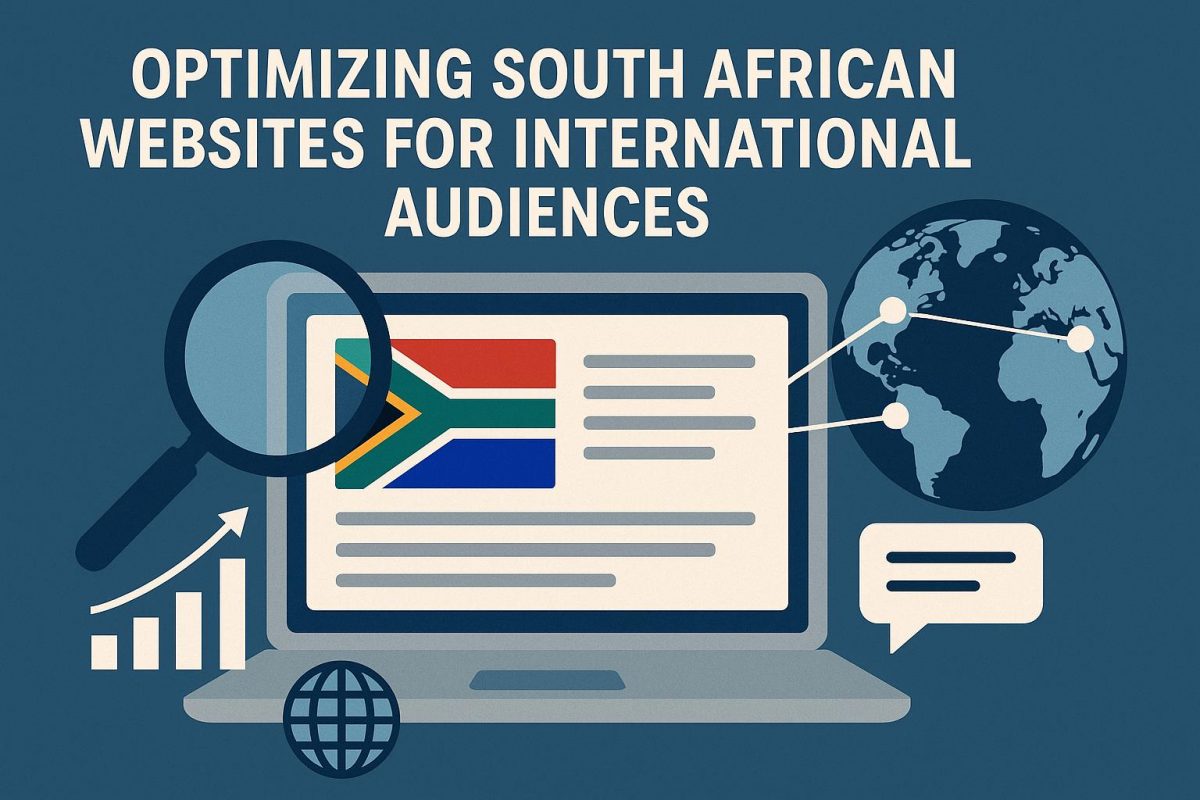
In today’s interconnected world, the digital landscape presents both opportunities and challenges for businesses aiming to expand their reach across global boundaries. For South African businesses, optimizing websites for international audiences involves a blend of technical, cultural, and content strategies designed to improve visibility, accessibility, and engagement for diverse global users. With South Africa’s strategic geographical position and its vibrant market, local businesses have the chance to attract a worldwide clientele effectively through the web.

Understanding International SEO

Search Engine Optimization (SEO) is integral for any website aspiring to broaden its reach internationally. International SEO is a strategic process of optimizing a website to allow search engines to recognize the targeted countries and associated languages intended for users. This process involves several key components:

Geotargeting plays a vital role by using hreflang tags. These tags help search engines determine which language and regional webpage versions to present to users based on their location, thereby ensuring relevant content delivery.

Choosing the correct Domain Structuring is equally crucial. Various options are available, such as using a country-code top-level domain (ccTLD), subdomains, or subdirectories. For businesses primarily aiming at South African users, a ccTLD like .co.za might be preferable, whereas a .com could be more suitable for a broader audience.

Another aspect to consider is Keyword Localization. Conducting keyword research is essential to identify phrases international users are searching for compared to local terms. This research should consider regional language nuances and cultural preferences, providing content that truly resonates with global users.

Creating Culturally Relevant Content

To reach an international audience successfully, it is essential to develop content that resonates within various cultural contexts. Crafting such content entails:

Paying attention to Language and Tone. Employing professional translation services helps ensure that language use is accurate and culturally appropriate, aligning with regional linguistic norms.

It is also critical to account for Local Interests and Values. Tailor content to reflect the interests and values of different cultural groups. This might involve adjusting product descriptions, marketing messages, and the overall approach to user engagement to match local expectations and appeal effectively.

Performance Optimization

With international audiences accessing websites from regions with varying internet speeds, devices, and technological infrastructures, performance optimization becomes a necessity. Optimizing website performance can be achieved through:

Enhancing Page Loading Speed by minimizing load times. This can be accomplished by using optimized images, implementing browser caching, and reducing HTTP requests, thereby providing a streamlined user experience.

Furthermore, ensuring Mobile Optimization is vital as more users globally access the internet via mobile devices. An adaptable, responsive website design is essential to cater to this growing trend and provide a uniform user experience across different devices.

Leveraging Social Media and Other Channels

Social media platforms serve as powerful conduits to engage international audiences, offering communication avenues that supplement traditional search engine strategies. To effectively utilize social media, consider:

Platform Selection. Identifying and cultivating a presence on social media platforms that are dominant in your target regions is crucial. Engaging with users on their preferred platforms enhances visibility and accessibility.

Utilizing social media for Content Sharing and Engagement allows businesses to distribute localized content and foster interaction with international users, constructing a diverse community engaged with their brand.

Monitoring and Adaptation

The process of optimizing for international audiences is continuous, requiring regular monitoring and adaptation. Conducting regular analyses will provide insight into website traffic and user engagement, offering a comprehensive view of how international users interact with your content.

Analytics Tools like Google Analytics can be used effectively to extract valuable data insights into user demographics, geolocation, and behaviors. These tools help businesses make informed decisions and tailor their strategies accordingly.

Additionally, obtaining Feedback and Testing is crucial. Engaging with users for feedback and performing A/B testing can help optimize user experience, ensuring ongoing improvements and adaptations that align with user expectations.

Conclusion

In summary, optimizing South African websites for international audiences requires a comprehensive approach that integrates SEO, cultural insights, technical performance enhancements, and strategic utilization of social media. By understanding and implementing these techniques, businesses can significantly enhance their ability to explore new markets, engage a diverse user base, and seize global opportunities. This multifaceted strategy not only ensures a strong presence in international markets but also fosters a deeper connection with users worldwide, ultimately contributing to long-term success in the global digital arena.

The Role of Online Reviews in South African Local SEO

The Role of Online Reviews in South African Local SEO

Understanding the Importance of Online Reviews in South Africa’s Local SEO

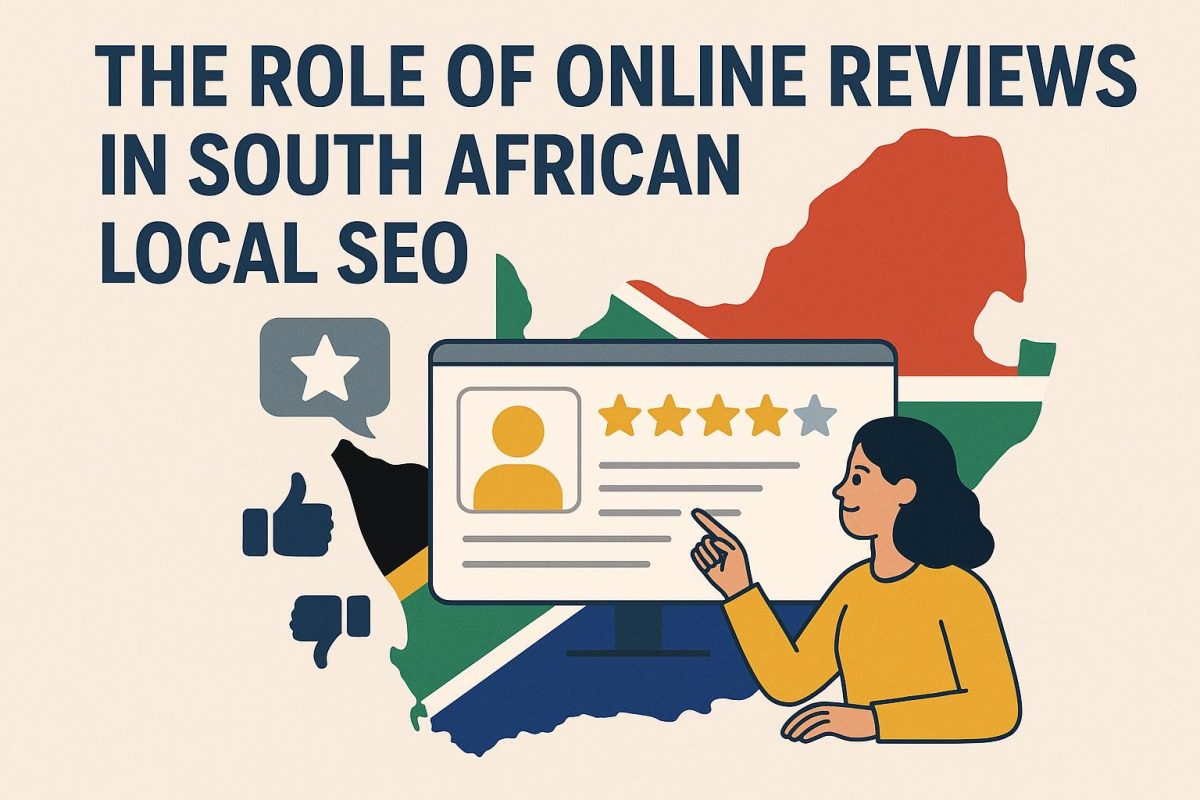
In recent years, the significance of online reviews has noticeably increased, particularly for businesses keen on enhancing their local Search Engine Optimization (SEO) strategies in South Africa. These evaluations are not just testimonials; they are instrumental in establishing a business’s credibility, heavily influencing consumer choices, and ultimately augmenting search engine rankings.

The Influence of Online Reviews on Local SEO

Online reviews are regarded as social proof. They aid potential customers in making well-informed decisions regarding whether to engage with a business or not. Search engines, such as Google, consider these reviews in their algorithms, thereby influencing the order in which businesses appear in local search results. A greater number of positive reviews can propel a business to a higher ranking, thereby enhancing its visibility amongst potential clients.

The Impact on Search Engine Rankings

Search engines capitalize on user-generated content, such as online reviews, to evaluate the relevance and reliability of a business. Reviews contribute significantly to a business’s local ranking factors, which include:

Review Quantity: A substantial volume of reviews can be indicative of a business’s popularity and trustworthiness. Consumers often correlate a high number of reviews with business credibility and product or service quality.

Review Quality: The overall sentiment, including star ratings and the narrative in the reviews, can influence customer perception and subsequently search rankings. Positive, thoughtful reviews can enhance a business’s reputation, while negative reviews might deter potential customers.

Review Recency: Recent reviews often carry more weight than older ones, reflecting the business’s current operations and capabilities. Search engines consider these as more relevant, impacting rankings actively.

Enhancing Online Visibility

An ample collection of positive reviews can lead to improved local visibility. This is because search engines tend to prefer showcasing businesses that appear credible and trustworthy, based on consumer feedback. This correlation between reviews and visibility can significantly boost customer engagement, interaction, and conversion rates, as businesses with better reviews are likely to attract more clientele.

Encouraging Customer Feedback

For South African businesses, the practice of actively seeking and leveraging customer feedback is vital for building a robust online presence. Several strategies can be employed to encourage customers to share their reviews:

Email Follow-Ups: An effective way to solicit customer reviews is through follow-up emails post-purchase. These emails can request customers to narrate their experiences, facilitating a direct link to the review platform to ease the users’ task.

In-Store Signage: For businesses with physical locations, deploying signage or QR codes that invite consumers to review their experiences online can bridge the gap between offline patronage and online feedback.

Incentives: While offering incentives—such as discounts or loyalty points—to encourage customers to leave reviews can be effective, it is essential to ensure that such practices adhere to the respective platform’s guidelines and policies to maintain integrity.

Responding to Reviews

A key aspect of managing online reviews is engagement. Responding to reviews, whether positive or negative, showcases a business’s commitment to customer satisfaction and care. Prompt and professional replies to reviews can constructively impact how other potential customers perceive the business, further enhancing its reputation and reliability in the competitive market.

Platforms for Online Reviews in South Africa

Various platforms facilitate online reviews, and businesses in South Africa should target the most pertinent ones for their demographic audience. Some of the foremost platforms include:

Google My Business: A crucial tool for local SEO, Google My Business integrates with Google Maps and ensures that reviews are prominently displayed during searches, thereby offering businesses a chance to stand out.

Facebook: With its widespread reach, Facebook provides a valuable avenue for businesses to capture reviews and directly engage with customers through social interactions.

Local Directories: Platforms like HelloPeter are particularly tailored for the South African market. They offer specific avenues for consumers to provide feedback, making them a vital resource for businesses aiming to understand and respond to local consumer sentiments.

Conclusion

In South Africa, the role of online reviews in shaping local SEO pursuits is undeniably significant. Businesses can substantially elevate their online presence by proactively encouraging and effectively managing customer feedback. As consumer preferences and behaviors continue to evolve, maintaining a responsive and engaged online review strategy becomes pivotal for achieving long-term success and ensuring a formidable presence in the dynamic digital landscape. The interplay between reviews and local SEO necessitates a strategic approach, where businesses not only gather feedback but also actively engage with it to foster growth, trust, and customer loyalty.

The Importance of Multilingual SEO in South Africa

The Importance of Multilingual SEO in South Africa

Understanding the Need for Multilingual SEO in South Africa

In an increasingly digital world, businesses continuously seek ways to expand their reach and engage a broader audience. South Africa is a unique market with a rich tapestry of languages and cultures, emphasizing the importance of multilingual SEO in this region. This strategy enables businesses to connect with diverse linguistic communities, thus enhancing their market presence and offering tailored experiences to their audience.

The Linguistic Landscape of South Africa

South Africa boasts a diverse linguistic environment with 11 official languages, including English, Afrikaans, Zulu, Xhosa, and Sesotho, among others. Despite English being predominantly used in business and online content, a significant portion of the population speaks other languages as their first language. According to the South African census data, while English is widely understood, many South Africans prefer using their native languages in daily communication. This diversity represents both an opportunity and a challenge. Navigating this multilingual setting requires businesses to tailor their online presence, ensuring that linguistic minorities are not overlooked. Catering to such a population necessitates an understanding of the cultural and linguistic nuances that influence consumer behavior and preferences.

Reaching a Wider Audience

The primary benefit of multilingual SEO is the ability to reach a wider audience. By optimizing digital content in multiple languages, businesses can access a broader market base. Engaging users in their preferred languages increases trust and accessibility, which can lead to increased traffic, engagement, and ultimately, conversions. For example, incorporating Zulu or Afrikaans keywords can significantly enhance visibility among users who primarily communicate in these languages. Furthermore, including local idioms and linguistic styles can make content more relatable and improve user retention. Websites that provide content in various languages are often perceived as more inclusive, reflecting a company’s commitment to serving diverse communities.

Enhancing User Experience

User experience is central to the success of any online strategy. Websites designed with multilingual considerations not only improve a website’s search engine rankings but also guarantee that users find relevant content that resonates with their regional and cultural context. A well-localized site ensures that users feel respected and valued, enhancing their interaction with the business. This personalized approach contributes positively to brand loyalty and customer satisfaction. Multilingual SEO also involves the translation of meta tags, video and audio content, which can create a more immersive experience for the user.

Competing in a Diverse Market

The competitive digital landscape in South Africa means that businesses must differentiate themselves. Those who adopt multilingual SEO can gain a competitive edge by better meeting the needs of the linguistically diverse South African population. Businesses that neglect to optimize for multiple languages may lose potential clients to competitors who do. In markets where numerous competitors offer similar products or services, differentiation through language specificity can prove invaluable. Companies willing to invest in comprehensive multilingual content strategies often see higher levels of consumer engagement and loyalty.

Implementing Multilingual SEO Strategies

Effective multilingual SEO involves more than just translation. The process necessitates a deep understanding of local cultures and language use, which can significantly alter the effectiveness of an SEO strategy. It requires cultural nuances to be observed and an understanding of local searches and preferences. Researching local keywords, adapting content to reflect cultural contexts, and using the correct dialects are essential steps. Dialects and regional language variations need special attention to ensure precision in communication. Additionally, technical SEO strategies, such as using hreflang tags, help search engines deliver the correct language version of a webpage to users.

Businesses should also consider the integration of regional backlinks and local directory listings to improve their site’s domain authority from a referral SEO standpoint. Moreover, partnerships with local influencers who can effectively communicate in native languages can boost authenticity and reach. Keeping abreast with local language trends and periodic updates to translated content ensures relevance and accuracy.

In conclusion, businesses operating in South Africa’s multifaceted linguistic environment must consider multilingual SEO as a crucial part of their digital strategy. With the correct implementation, these businesses can successfully engage with an extensive and varied audience, ensuring both growth and relevance. Furthermore, multilingual SEO strategies endorse inclusivity, reflecting a company’s effort to reach out to all potential customers, irrespective of linguistic differences. This strategic approach not only facilitates business expansion but also enriches customer relationships, ensuring a place in South Africa’s diverse market landscape.