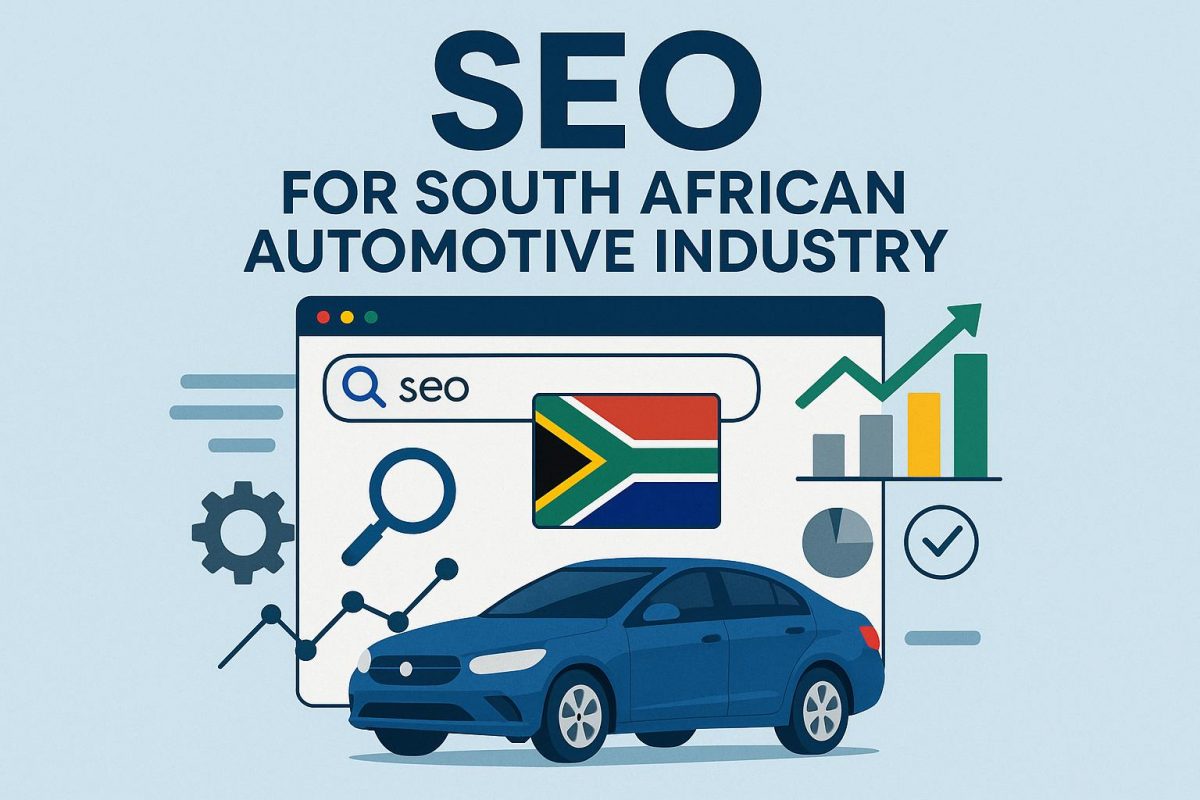
SEO for South African Automotive Industry

SEO for South African Automotive Industry

Understanding the Current Landscape of SEO in the South African Automotive Industry

The automotive industry in South Africa is an integral part of the economy, contributing significantly beyond just manufacturing to include sales and services. As the digital landscape evolves, it becomes paramount for businesses within this sector to bolster their online presence to remain competitive and relevant. The application of Search Engine Optimization (SEO) strategies is critical in achieving an effective online presence that caters to the demands of contemporary digital consumers.

Importance of SEO for the Automotive Sector

In the digital age, consumer behavior has shifted dramatically, with increasing numbers of people turning to online platforms to research and decide on automotive purchases and related services. SEO becomes an indispensable tool in increasing visibility on search engine results pages, aiming to drive more organic traffic to automotive websites. A strategically optimized website draws in potential customers who are actively searching for automotive products and services. As a result, effective SEO not only boosts brand visibility but also builds brand credibility, which is critical for driving customer actions leading to higher conversion rates.

Key SEO Strategies for the Automotive Industry

Keyword Research: The foundation of any successful SEO strategy is comprehensive keyword research. Automotive businesses must identify and target specific search terms that potential customers use when looking for vehicles, spare parts, or services. Keywords and phrases such as “buy cars in Johannesburg” or “car maintenance services in Cape Town” are examples of search terms that businesses should optimize for to capture the right audience actively seeking their offerings.

Content Optimization: The creation of quality content that meets the informational needs and questions of prospective customers plays a vital role in improving search rankings. Engaging, informative, and keyword-rich content, including blog posts, product descriptions, and service pages, helps capture user interest while fulfilling search engine criteria for relevance and authority.

Local SEO: Local SEO becomes crucial, particularly given that many customers prefer local auto dealerships and service centers. Optimizing for local searches using phrases like “car dealership near me” and ensuring the relevancy and accuracy of your Google My Business profile can significantly enhance local traffic. This approach fosters better customer engagement as potential buyers are more likely to visit businesses that appear credibly within their proximity.

Enhancing User Experience Through SEO

User experience (UX) is intrinsically connected to SEO effectiveness. A website that provides a seamless, easy-to-navigate experience not only pleases visitors but also positively impacts SEO by reducing bounce rates and increasing average time spent on the site. The mobile usability of automotive websites is especially essential, given the substantial portion of users who access automotive information via smartphones. Ensuring mobile-friendliness improves user experience and helps retain visitors, critical factors that search engines consider when ranking pages.

Link Building and Online Reputation

Building a robust backlink profile is a strategy that can considerably improve a website’s domain authority and its position on search engine results pages. Engaging in partnerships with reputable automotive websites or contributing to industry-specific blogs can help in acquiring high-quality backlinks. These links not only enhance search engine trustworthiness but also direct referral traffic to your website.

Additionally, managing online reputation through positive customer reviews and testimonials is essential. Positive feedback acts as social proof to potential customers and search engines alike, enhancing online authority and credibility. Interacting with customers by responding to reviews—whether positive or negative—demonstrates a willingness to engage and can significantly impact public perception of your business.

In conclusion, the South African automotive industry stands to gain immensely from integrating robust SEO strategies into their digital marketing efforts. By concentrating on crucial elements such as keyword research, local SEO optimization, enhancing user experience, and strategic link building, businesses can significantly elevate their online presence. This heightened presence not only attracts a broader base of potential customers but also drives sales and promotes growth within an increasingly competitive market landscape.

For further learning and resources on how to implement effective SEO strategies, and to expand your understanding of the dynamic digital marketing environment, you are encouraged to explore available resources.
The Role of Web Hosting in South African SEO Performance

The Role of Web Hosting in South African SEO Performance

The Importance of Web Hosting in SEO

Web hosting acts as the backbone of the digital infrastructure, becoming a fundamental element that directly impacts the search engine optimization (SEO) performance of websites. Especially for businesses operating in competitive markets like South Africa, selecting the ideal web hosting service becomes an integral strategy for gaining visibility and enhancing rankings on search engines such as Google.

Website Speed and SEO

Website speed is a pivotal factor in SEO, largely influenced by the web hosting service chosen. Search engines have made it clear that they prioritize web pages that load swiftly because they provide a user-friendly experience. Users generally abandon websites that take more than a few seconds to load, leading to increased bounce rates. A high bounce rate is detrimental to SEO because search algorithms may interpret this as an indication that the content is not valuable or relevant to users. Therefore, selecting a hosting provider with robust server capabilities, ensuring quick server response times and ample bandwidth, becomes vital for maintaining and enhancing SEO performance.

Uptime and Reliability

An often-overlooked yet crucial element of web hosting is uptime and server reliability. Consistent server uptime correlates directly with how often and easily a search engine can crawl and index a site. Websites experiencing frequent downtime may be flagged as unreliable by search engines, leading to potential penalties in rankings. Consistent uptime, ideally at least 99.9%, is non-negotiable for optimal SEO outcomes. Such reliability ensures uninterrupted availability, allowing search engines to effectively perform the necessary crawlability and indexing tasks to keep the website’s digital presence strong.

Geographic Location of Servers

The physical location of servers significantly influences SEO, especially from a local standpoint. For businesses based in South Africa, hosting a website on servers located within the same geographical region can contribute positively to local SEO strategies. Hosting within the region helps in reducing latency, thus enhancing the speed of data transmission between the server and local users. Consequently, this contributes to faster website load times for local audiences, which is a ranking factor search engines take into account. Additionally, a local server presence can aid in improving search results for queries geographically relevant within South Africa.

Security and SEO

Security serves a dual purpose; it reassures users of their data’s safety and enhances a website’s SEO performance. Search engines increasingly prioritize secure sites, reflected in the algorithm by favoring those employing advanced security measures, particularly the utilization of a Secure Sockets Layer (SSL) certificate. Implementing SSL encrypts data transferred between the site and users, increasing trust and demonstrating a commitment to secure web practices. The epitome of this practice is the HTTPS designation in URLs, generally impacting SEO favorably. Most credible web hosting providers include SSL certificates in their service packages, making it an effortless choice for those aiming to improve their SEO standings.

Scalability and Resources

As a website expands, so do its needs in terms of resources such as disk space, processing power, and RAM. The ability of a website to scale effortlessly and accommodate growing traffic is an integral part of retaining good SEO metrics. A hosting provider offering scalable solutions grants websites the flexibility to increase resources as needed without losing performance efficiency, which is crucial as more resources may become necessary when traffic surges, such as during promotional events or international expansion. A smoothly operating site assures search engines of its reliability, inherently contributing to maintaining and potentially improving SEO rankings.

Technical Support

The significance of dependable technical support cannot be overstated in the context of web hosting. Web hosting providers that feature proficient customer service teams can swiftly address and rectify server-related issues, technical mishaps, and unexpected downtime occurrences. Quick and effective resolution of such challenges prevents potential disruptions to a site’s functionality, thereby safeguarding its SEO performance. Ideally, a web hosting service should offer around-the-clock support to ensure issues are dealt with promptly, mitigating their impact on the site’s overall standing.

Conclusion

In conclusion, choosing an appropriate web hosting provider is indispensable for businesses seeking to optimize their websites’ SEO performance. Elements like speed, reliability, server location, security measures, and scalability play pivotal roles in shaping a site’s online visibility and ranking on search engines. For South African businesses specifically, a keen focus on these factors can lead to improved SEO outcomes, thereby solidifying a business’s online presence and competitiveness in the digital marketplace. While the selection of a web hosting provider might once have been an overlooked detail, it is now recognized as a core strategic decision in any effective SEO strategy.

The Importance of Regular Content Updates in South African SEO

The Importance of Regular Content Updates in South African SEO

The Role of Content Updates in SEO

In the constantly shifting digital environment, the significance of staying current can hardly be overstated. Search engine optimization (SEO) serves as a cornerstone of online visibility, and one of its primary components is the regular updating of website content. In the South African context, a nation experiencing substantial digital growth, regularly updating content is not merely beneficial—it’s essential for sustained SEO success.

Why Search Engines Favor Up-to-Date Content

Understanding the inclination of search engines to prefer up-to-date content involves delving into their core objectives. Search engines like Google are fundamentally designed to deliver the most relevant and current information to users. The preference for freshness in content stems from the algorithms that evaluate the novelty and relevance of content, often prioritizing newer or updated pages over older, static ones. By signaling that a site is actively maintained through regular updates, webmasters can enhance the site’s visibility and ranking potential.

Local Market Relevance

As the digital landscape in South Africa expands, keeping content locally relevant becomes increasingly crucial. The dynamic nature of the market means that content must align with the latest local trends and market conditions. Websites targeting South African audiences need to adapt quickly, integrating local news, societal events, and cultural shifts into their content strategy. Such locally-focused updates not only improve user engagement but also bolster SEO performance by aligning content with the current search intent of users.

User Engagement and Behavioral Metrics

Fresh, engaging content plays a pivotal role in enhancing user interaction, subsequently influencing critical behavioral metrics. These metrics, including click-through rates (CTR), dwell time, and bounce rates, are essential indicators of user satisfaction and site relevance in the eyes of search engines. When users encounter up-to-date and pertinent information, they are more likely to remain on websites longer, enjoying a richer, more valuable user experience. This prolonged interaction reduces bounce rates and positively impacts a site’s standing in search engine results.

Content Updates and Link Building

Regular content updates can also revolutionize a site’s link-building endeavors. Introducing fresh content opens a wealth of opportunities for acquiring backlinks, a crucial factor in enhancing domain authority and SEO performance. Websites that consistently output updated, quality content are more likely to be referenced by other reputable sites. This inbound linking not only improves SEO metrics but also enriches the site’s reputation and authority in its niche.

Strategies for Effective Content Updates

Implementing content updates for SEO effectiveness necessitates a strategic approach, incorporating both meticulous planning and precise execution. Highlighted below are crucial strategies to consider:

Conducting Content Audits

A comprehensive content audit acts as the foundation for effective content updates. By thoroughly evaluating existing content, businesses can identify which sections require updating. This assessment is pivotal in prioritizing actions that will offer the most significant benefits for SEO improvements.

Incorporating Keyword Research

In the ever-evolving world of SEO, the application of updated keywords is vital. Engaging in ongoing keyword research allows content creators to stay abreast of the latest search trends, particularly within the South African context. By ensuring that updated content integrates these recent and pertinent keywords, websites remain a competitive force in search rankings.

Updating Metadata

Metadata, particularly meta titles and descriptions, play a critical role as the initial touchpoints between a website and its audience on SERPs. Consistently updating these elements to reflect current content changes ensures optimal click-through rates. A well-curated meta description or title aligned with content updates serves as a powerful mechanism to entice user interaction and engagement.

Enhancing User Experience

Beyond textual updates, enriching the user experience through multimedia inclusion can significantly elevate content engagement. Integrating elements such as images, videos, or infographics reduces reliance on text alone, making content more engaging and shareable. This multimedia approach caters to various user preferences, further enhancing the site’s appeal and engagement metrics.

Conclusion

The imperative nature of regular content updates for achieving and maintaining SEO success, particularly in a digitally advancing nation like South Africa, is undeniable. Such updates steward increased search engine rankings, improved engagement metrics, and more robust link-building opportunities. By adopting a strategic, nuanced approach to content updates, businesses position themselves to thrive in an ever-evolving digital marketplace, ensuring sustained competitiveness and visibility.

SEO Strategies for South African Food and Beverage Industry

SEO Strategies for South African Food and Beverage Industry

Understanding the Unique Landscape

To effectively implement SEO strategies within the South African food and beverage industry, it is essential to first understand the unique landscape of this market. South Africa is known for its diverse culinary offerings, a reflection of its rich cultural heritage. This diversity provides a plethora of opportunities for businesses to explore niche markets and create targeted content.

Analyzing Market Trends

In recent years, there has been a growing interest in healthy, organic, and locally sourced products. This trend mirrors the increased searches for these keywords online. To effectively tap into this evolving market, businesses should focus on long-tail keywords that emphasize these trends. Employing tools like Google Trends and keyword analytics can help identify the most relevant terms that South African users are frequently searching for, offering a strategic advantage in capturing market interest.

Leveraging Local SEO

Local SEO is pivotal for businesses operating within the South African food and beverage sector. By optimizing their digital presence for local search terms, companies can significantly improve their visibility among locals searching for food and drink options. It is important for businesses to ensure they are listed on platforms like Google My Business and other local directories, thereby enhancing their multifaceted online presence and supporting community engagement.

Using Location-Specific Keywords

Embedding location-specific keywords, such as city names or regions within webpage content, can significantly bolster local search rankings. Consider integrating phrases like “food delivery in Cape Town” or “best Durban wines” to attract targeted local traffic. Additionally, using schema markup to highlight location data can further improve how search engines understand and index geographical information, supporting enhanced search visibility.

Content Creation Strategies

The content you create is pivotal in driving SEO success. Quality content that resonates with your target audience can establish your brand as an authority within the industry.

Creating Engaging Blog Posts

Blogging about industry-related topics not only boosts SEO but also fosters customer engagement. Regularly publishing posts about current trends, recipes, and culinary tips can attract and retain a loyal readership. Moreover, businesses can enhance their reach by strategically collaborating with local influencers and bloggers, who already possess an established audience interested in similar content.

Optimizing Visual Content

The food and beverage industry is inherently visual, making it crucial to optimize images and videos for SEO. Use high-quality images along with descriptive alt texts to improve visibility in image search results. Videos showcasing recipes or behind-the-scenes tours of production facilities can captivate audiences, thereby improving engagement and drawing more visitors to your digital platforms.

Incorporating User-Generated Content

Encouraging customers to share their experiences through reviews and social media significantly enriches your digital content. User-generated content not only boosts credibility but also provides websites with fresh content—an aspect that search engines favor when calculating rankings. This approach also builds a sense of community around your brand, promoting organic growth and trust among potential customers.

Utilizing Social Media

Social media platforms offer a substantial avenue to bolster SEO efforts. Engaging with customers through social channels like Instagram, Facebook, or Twitter can enhance brand visibility and drive traffic to your website.

Building Social Signals

Sharing content on social media increases the number of social signals pointing to your website. These indirect backlinks can contribute positively to your search engine rankings. By providing regular updates about promotions, new offerings, and industry news, businesses can encourage interaction and sharing among users, thereby amplifying their digital reach and impact.

Targeted Advertising

Paid social media ads enable precise targeting based on user demographics, interests, and online behavior. This targeted approach ensures that your promotional content reaches a highly relevant audience, increasing both conversion rates and brand awareness. Understanding the preferences of your demographic is essential in crafting ads that resonate and result in actionable outcomes.

Technical SEO Considerations

While quality content remains king, addressing technical aspects is equally essential for ensuring SEO success. Factors such as fast loading times and mobile-friendly designs are crucial in the competitive food and beverage industry.

Site Structure and Navigation

A well-organized site structure and intuitive navigation facilitate easier crawling and indexing by search engines. Effective use of clear categorization and breadcrumb trails can significantly improve user experience, while also serving as a guide for search bots to navigate your website efficiently, enhancing discoverability and usability.

Implementing HTTPS Protocol

Security remains a key concern for both users and search engines. Having your site use HTTPS not only protects user data but also boosts trust and credibility—qualities that can indirectly affect search rankings. Maintaining these security standards is essential for retaining both customer confidence and search engine favorability.

Monitoring and Adjusting Strategies

Finally, it is crucial to regularly review SEO performance metrics using tools such as Google Analytics. This continuous monitoring allows businesses to adjust SEO strategies for ongoing improvements and sustained success. By keeping a close eye on metrics such as website traffic, bounce rates, and keyword rankings, businesses can refine their approaches and address potential challenges before they become problematic.

In conclusion, the deployment of a comprehensive and nuanced SEO approach, tailored specifically to the unique characteristics of the South African food and beverage market, can lead to improved search rankings, increased traffic, and ultimately, higher sales for businesses. Such strategic initiatives foster long-term digital growth and establish a brand’s position in a dynamic industry landscape.